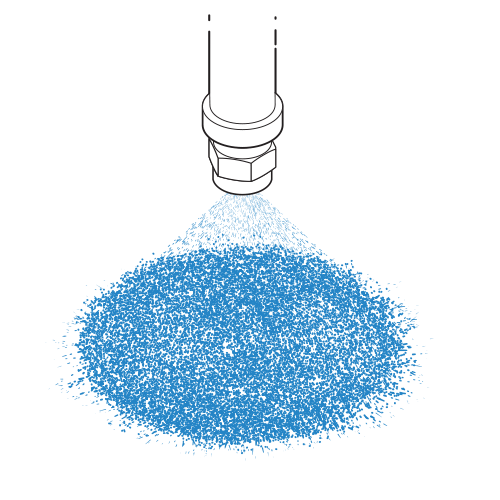
Construction sites are among the most challenging environments for spray nozzle applications. Exposed to outdoor weather extremes, constant vibration from heavy equipment, abrasive dust and debris, and the rough handling that comes with a working jobsite, nozzles on construction sites must perform reliably with minimal maintenance attention. At the same time, the consequences of spray system failure are real and direct: an uncontrolled dust cloud means regulatory non-compliance and worker health risk; inadequate concrete curing means structural deficiency; a worker who overheats means a lost-time incident or worse. In this article, we examine the three key spray nozzle applications across construction operations — dust suppression, evaporative cooling, and wetting — and identify the specific BEX Engineering products best suited to each.
Dust is the single most pervasive occupational and environmental hazard on a construction site. Earthmoving, demolition, concrete cutting and grinding, road milling, and vehicle traffic on unpaved access roads all generate airborne particulate that poses health risks to workers, creates regulatory compliance obligations, and can trigger complaints from surrounding communities. Critically, construction dust is not merely a nuisance — it is a regulated health hazard under OSHA’s Respirable Crystalline Silica Standard (29 CFR 1926.1153). Silica — found in concrete, masonry, stone, sand, and rock — is present in the majority of construction materials. OSHA limits worker exposure to respirable crystalline silica to 50 micrograms per cubic metre of air as an 8-hour time-weighted average, and water sprays are explicitly recognised by OSHA as a primary engineering control for silica dust in construction operations.
The physics of dust suppression are straightforward: a water droplet is most effective at capturing a dust particle when the two are of similar size. Very fine respirable dust (PM10 and PM2.5 — particles smaller than 10 and 2.5 micrometres respectively) requires very fine spray droplets, while coarser visible dust can be suppressed with somewhat larger droplets. Nozzle selection must account for this particle-size matching, as well as wind conditions, spray throw distance, and water availability at the point of suppression.
Cutting concrete, stone, masonry, and tile with diamond blades, angle grinders, or jackhammers is one of the highest silica-exposure activities on any construction site. Applying water to a saw blade when cutting silica-containing materials substantially reduces the amount of dust created. Wet cutting keeps the blade cool, extends blade life, and — most importantly — captures dust at the point of generation, before it has an opportunity to become airborne and reach workers’ breathing zones. The nozzle for this application must produce a fine, directed spray directly onto the blade or cutting surface at low to moderate pressure, without saturating the work area or obscuring the operator’s view of the cut.
Why it matters: silica dust captured at the blade never reaches the operator's breathing zone — once it's airborne, the only remaining protection is a respirator, and OSHA expects engineering controls like water spray to come first.
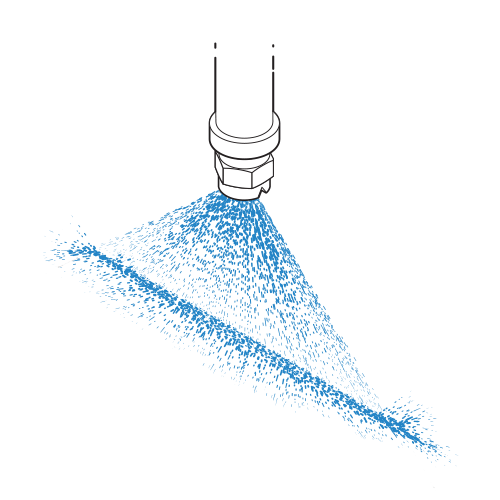
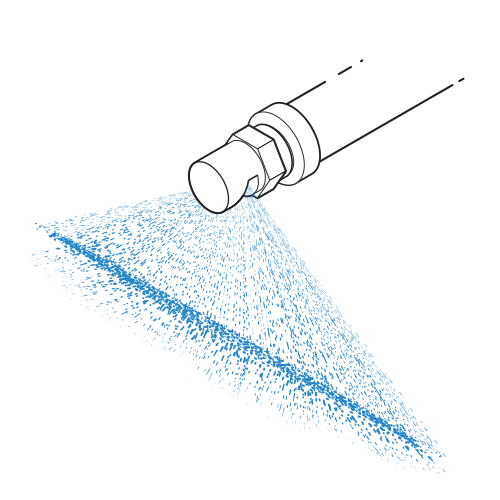
The BEX F Series flat fan nozzles in small orifice sizes are the appropriate choice for tool-mounted wet cutting systems. Their flat spray pattern can be directed precisely at the blade or grinding wheel surface, wetting the cutting interface continuously without flooding the surrounding area. For jackhammer and chisel applications where the nozzle must be mounted directly on the tool body, the compact dimensions of the smaller F Series models suit installation in the constrained space around a demolition hammer. All nozzles for tool-mounted silica suppression systems should be specified in 316 stainless steel for durability in the abrasive, vibration-intensive environment of demolition and cutting equipment.
Large-scale earthmoving, site clearance, and demolition generate dust across the entire site footprint rather than at a single point. Excavators, bulldozers, loaders, and scrapers disturb soil and pulverised material continuously, and demolition operations release dust in short, intense bursts as structures are broken down. The standard approach for area dust suppression at these operations is water trucks with spray bars that apply water to the disturbed surface and the working area. Nozzles on the spray bar must provide wide coverage to wet the full working area in a single pass, and the spray must penetrate the surface rather than merely wetting the top layer — a surface that dries within minutes in warm, sunny conditions is of little value.
For demolition operations where water trucks cannot access the work area, fixed spray systems or misting cannons positioned around the perimeter of the demolition zone direct spray toward the source of dust generation. The nozzles in these systems must produce droplets fine enough to intercept and agglomerate airborne particles, but robust enough not to be blown away by the air movement that demolition events create.
Why it matters: a surface that's only damp on top dries out within minutes in the sun, so a spray bar that doesn't penetrate means more truck passes, more water, and dust coming back between them.
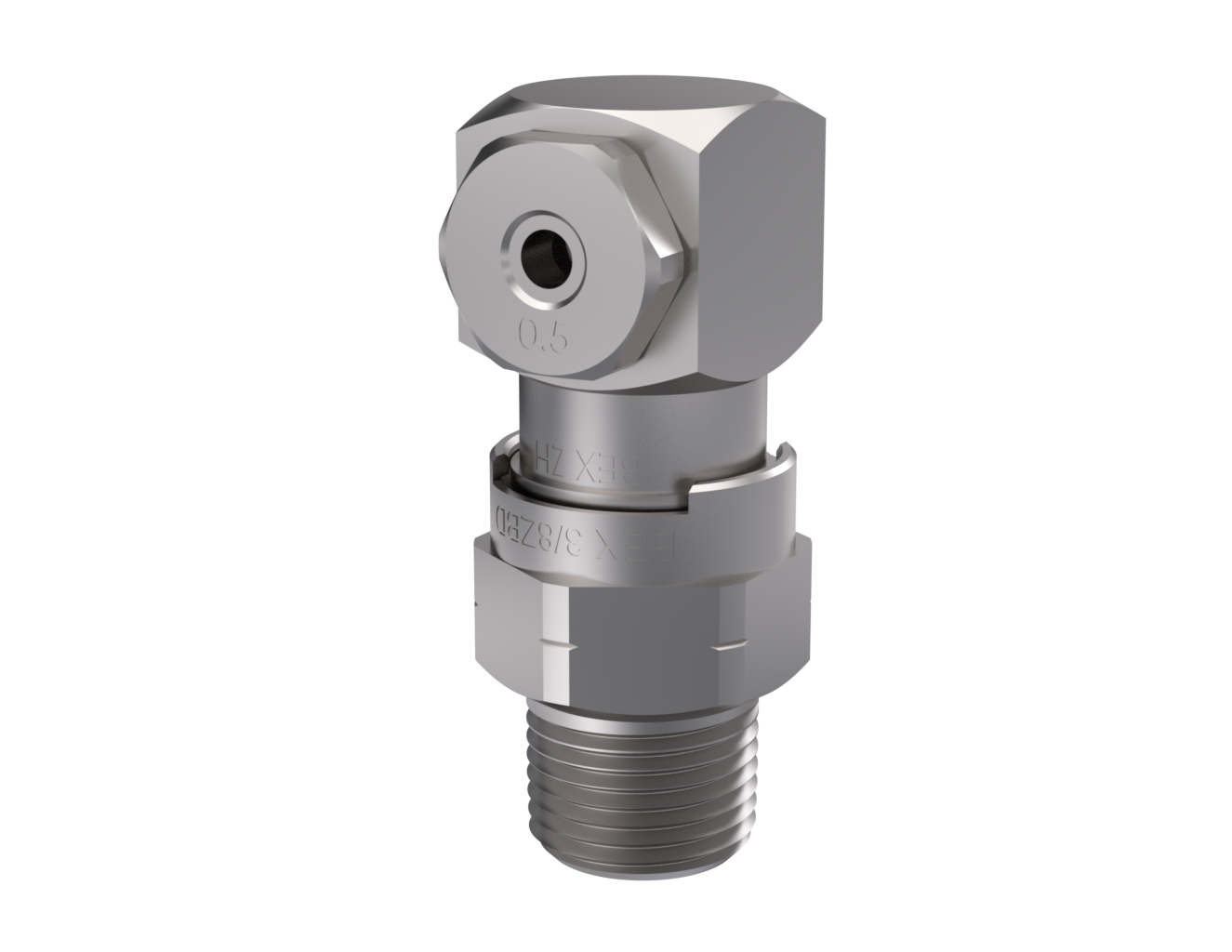
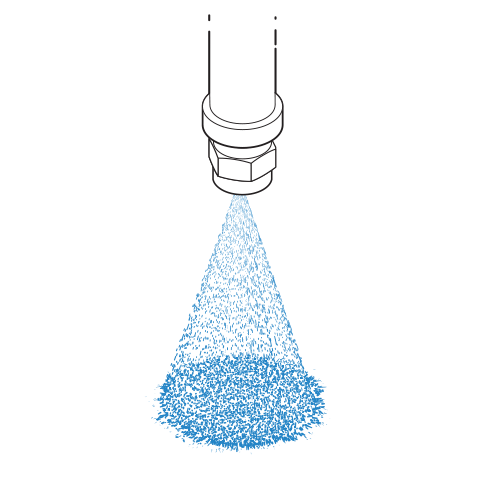
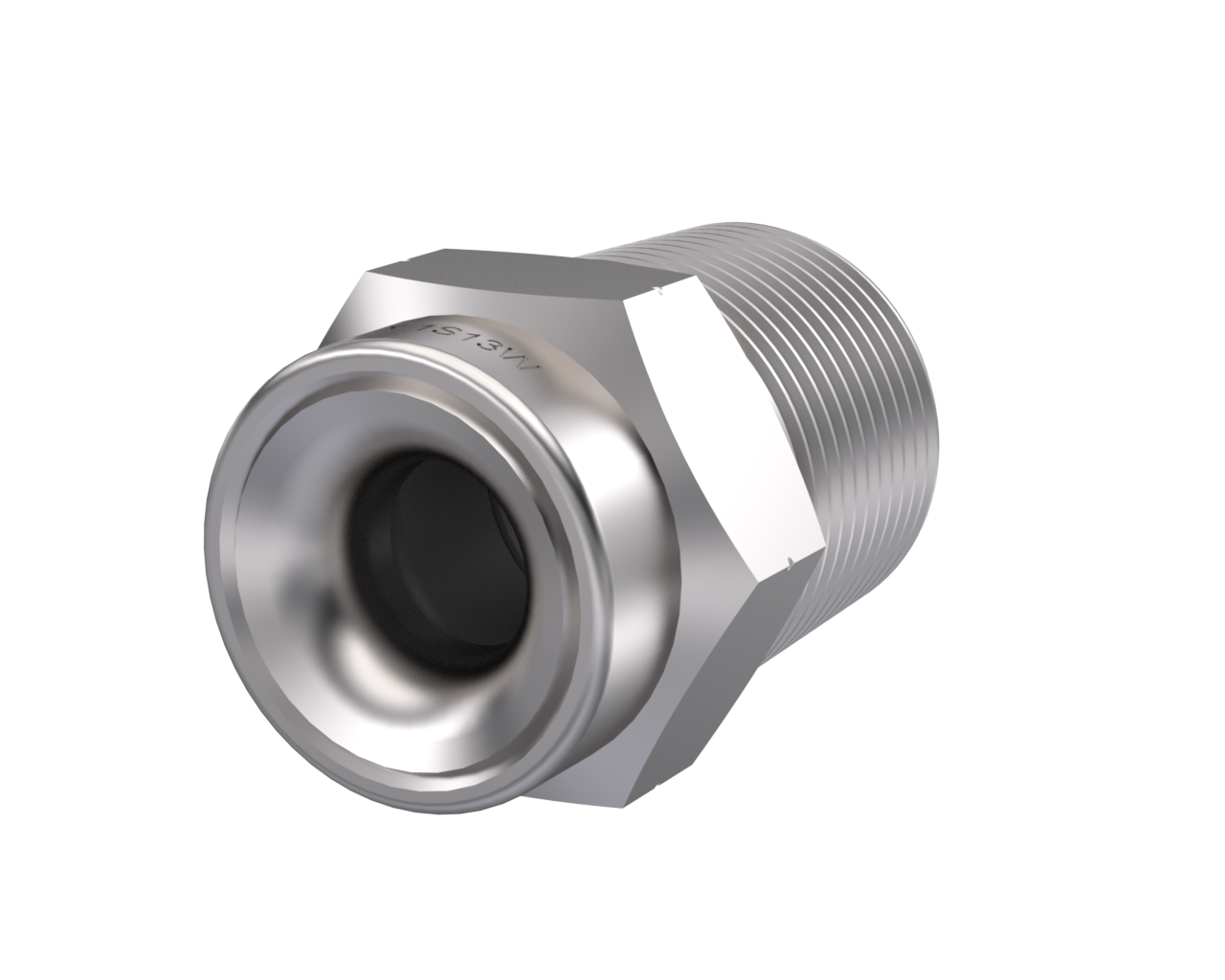
Wide-angle F Series flat fan nozzles (80°–110°) mounted on water truck spray bars provide the broad, overlapping coverage needed to wet large disturbed areas efficiently in a single pass. For perimeter misting systems around demolition zones, the C Series hollow cone nozzles produce the fine droplet spectrum (at standard pressures) needed to intercept and capture fine airborne particulate. Where tool-free nozzle replacement is desirable on spray bars that are frequently repositioned or damaged by site activity, the ZH Series quick-connect hollow cone nozzles allow rapid changeout without tools or dismantling the spray bar.
Virtually every construction site of significant scale has unpaved access roads and internal haul routes over which heavy vehicles travel continuously. The most common and least expensive method of road dust control is to water the surface using a water tanker truck with a spray bar whenever dust problems occur. Vehicle traffic on dry, unpaved surfaces generates substantial PM10 particulate emissions — fugitive dust from unpaved roads is a significant source of particulate matter that is subject to EPA air quality regulations and frequently triggers community complaints. Water application must be frequent enough to prevent the surface from drying, which on a hot day may mean applications every 30 minutes on heavily trafficked routes.
Why it matters: haul road dust is regulated particulate and the most visible source of community complaints, and dust or mud tracked out the site gate onto public roads is a problem the contractor owns.
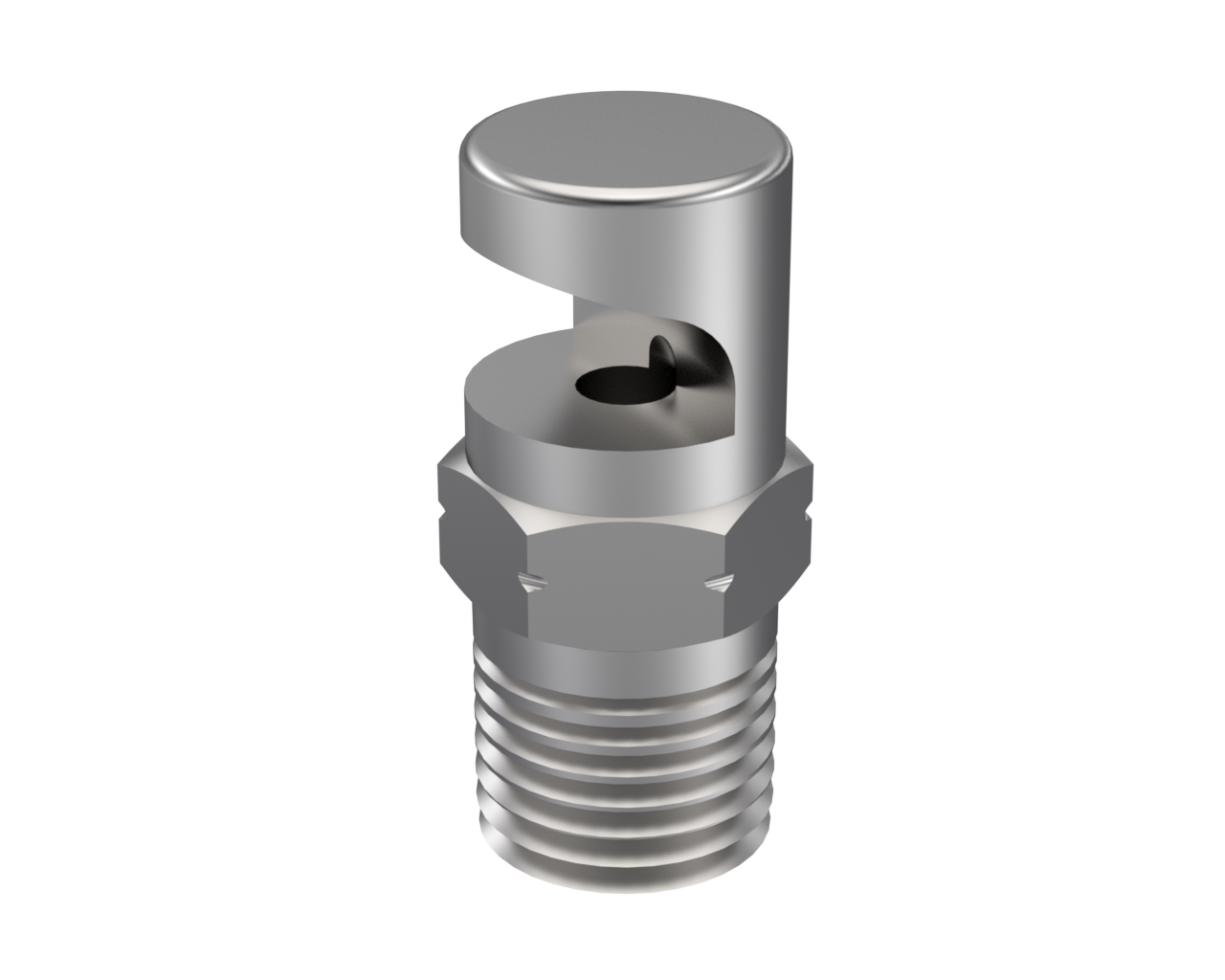
Wide-angle F Series flat fan nozzles (80°–110°) on truck-mounted spray bars provide the broad, overlapping coverage needed to wet the full road width in a single pass. For roads wider than a single spray bar can cover, multiple nozzles are spaced to provide overlapping patterns across the full carriageway. The FL Series deflector-type flat fan nozzles are also commonly used on water trucks because their simple deflector design has no precision orifices to clog or wear in the dirty water supplies typical of construction sites, and they are easily and inexpensively replaced when damaged. For fixed spray systems at site entrances — where vehicles must pass through a spray curtain before leaving the site — the S Series full cone nozzles provide the broad, uniform coverage needed to wet vehicle tyres and undercarriages that would otherwise track dust and mud onto public roads.
Sand, aggregate, soil, and demolition rubble stored in open stockpiles on construction sites are a continuous source of fugitive dust, particularly during dry, windy conditions. Stockpile surfaces dry out rapidly and fine particles are lifted from the surface by wind. Spray systems directing water onto stockpile surfaces periodically during dry conditions suppress this source of dust — the water binds the surface particles together and increases their mass, reducing wind lift-off.
Why it matters: a stockpile keeps shedding fine dust every time the wind picks up, so a dry patch left by uneven coverage becomes a steady source of fugitive dust across the whole site.
The BEX S Series full cone nozzles provide the broad, uniform wetting pattern needed to cover stockpile surfaces from fixed risers or oscillating spray systems. For large stockpile areas where coverage from a small number of nozzle positions is required, the SW Series wide-angle full cone nozzles extend the spray radius from each nozzle position, reducing the number of risers and supply pipes needed to cover a given area.
Construction is one of the highest-risk industries for occupational heat illness. Outdoor work in direct sunlight, heavy physical exertion, personal protective equipment that limits the body’s ability to dissipate heat, and prolonged exposure during summer months combine to create serious heat stress risk. According to NIOSH, 285 construction workers died from heat-related illness between 1992 and 2016, accounting for over one third of all heat-related occupational fatalities in the United States. OSHA is actively developing new heat illness prevention standards for outdoor workplaces, and several US states already impose heat illness prevention requirements on construction employers.
The body’s primary heat dissipation mechanism is evaporative cooling through sweat evaporation. When ambient temperature approaches or exceeds body temperature, or when humidity is high and sweat cannot evaporate effectively, the body’s thermoregulatory capacity is overwhelmed. OSHA explicitly identifies misting fans that produce a spray of fine water droplets as a recommended engineering control for heat stress, and OSHA’s proposed heat rule further recognises that misting systems can provide effective evaporative cooling where shade or air conditioning cannot be provided.
OSHA requires employers to provide accessible rest areas where workers can recover from heat during scheduled breaks and when self-monitoring symptoms. These rest stations must include cooling capacity, not merely shade. A well-designed misting system in a shaded rest area can reduce the effective ambient temperature by 8–14°C in hot, low-humidity conditions, allowing workers to lower their core body temperature meaningfully during a 10–15 minute break. The mist must be fine enough to evaporate before reaching workers, creating a cool atmosphere rather than wetting clothing — wet clothing in a hot environment provides no evaporative cooling benefit.
Why it matters: a rest break only helps if workers actually cool down during it — mist that wets clothing instead of evaporating provides no cooling, and heat illness is one of construction's leading causes of fatal injury.


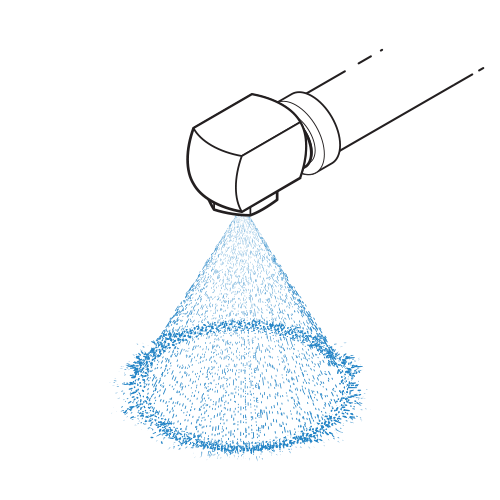
The BEX C Series hollow cone nozzles at low operating pressures (2-4 bar) produce the fine droplet spectrum needed for effective evaporative cooling in break area misting systems. Nozzles mounted on a header at 2–3 metres height, angled slightly downward and outward, create a mist zone beneath which workers can stand or sit for rapid cooling. Where the finest possible droplets are needed for maximum evaporation rate — particularly in more humid climates where evaporation must occur quickly — the BEX JPL Series air atomizing nozzles produce ultra-fine droplets (10–50 μm) that evaporate almost instantly, providing effective cooling with no surface wetting of workers or equipment. All nozzles for outdoor construction site cooling systems should be specified in 316 stainless steel for corrosion resistance to the variable-quality water supplies available on construction sites and to the outdoor weathering conditions they must withstand.
Equipment operators in open cabs — or in enclosed cabs where air conditioning has failed or is unavailable — are particularly vulnerable to heat stress. Heavy equipment operators are often isolated from site cooling infrastructure and cannot easily take breaks when heat stress builds. Compact misting systems mounted on or near the operator position can provide meaningful relief by reducing the ambient temperature in the operator’s immediate environment. For partially enclosed control stations — concrete pump controls, hoisting stations, crane operator positions — a small misting system is often a practical and cost-effective solution.
Why it matters: operators are often the workers most isolated from site cooling and the least able to step away when heat builds, so relief has to come to them at the controls.
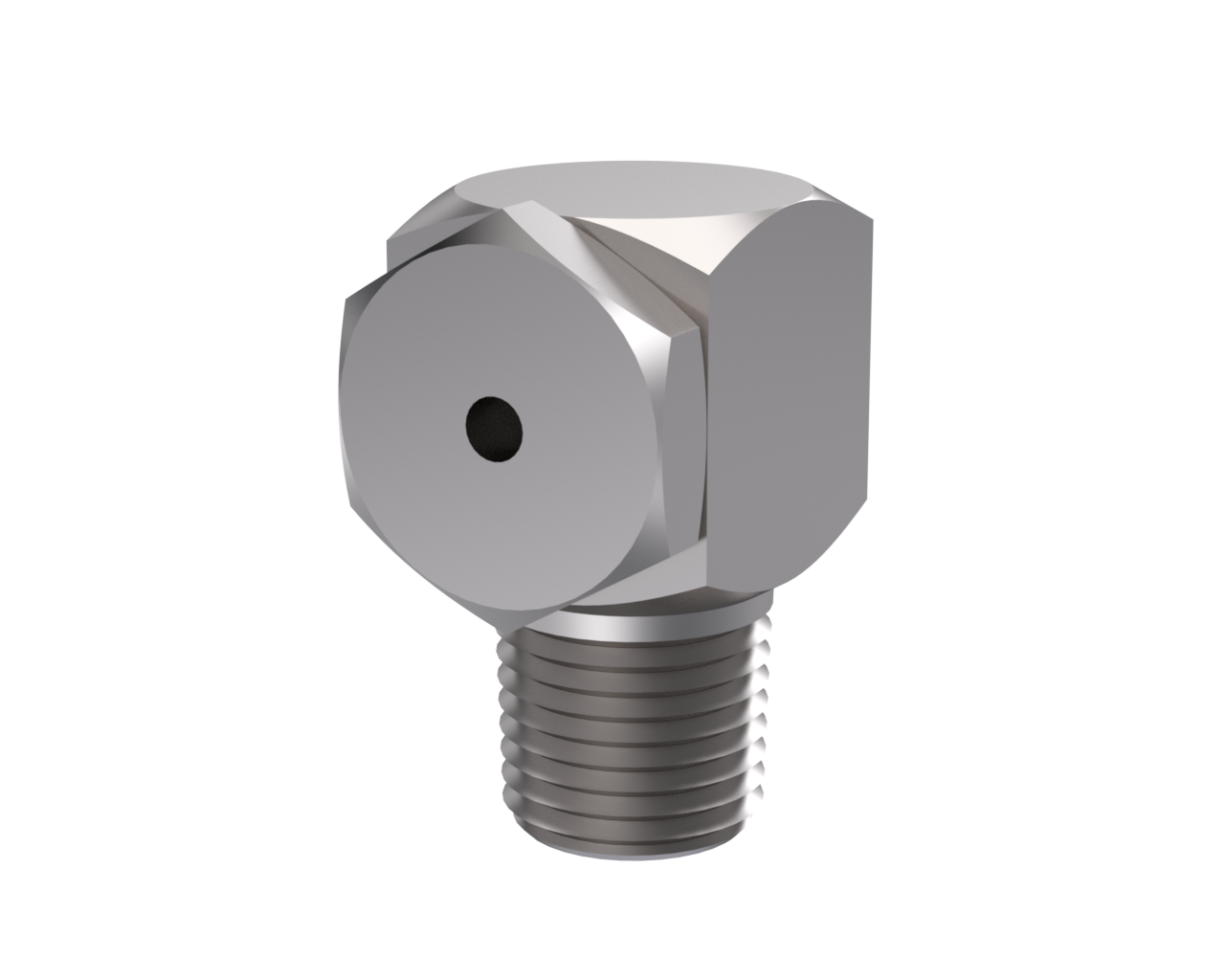
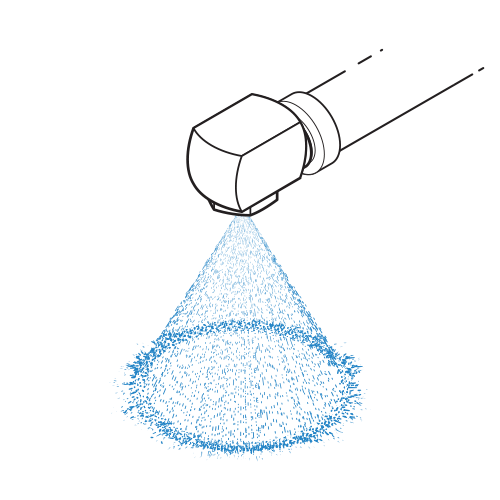
The compact size and simple installation of the BEX H Series hollow cone nozzles makes them suitable for equipment-mounted cooling systems where space and weight are constrained. A small manifold of two to four nozzles mounted on the equipment frame or canopy structure can create a localised cooling zone around the operator position. For installations where a compressed air supply is available on the equipment — as is common on larger plant such as concrete pumps and cranes — the BEX JPL Series air atomizing nozzles provide superior cooling performance from a smaller number of nozzle positions, using the existing compressed air supply rather than requiring a separate pump.
In high-temperature conditions, newly placed concrete and fresh asphalt can absorb sufficient radiant heat from the sun to affect their performance. Fresh concrete that heats rapidly loses workability faster than anticipated, reducing the time available for finishing, and the accelerated hydration at high temperatures can compromise long-term strength development. Freshly placed asphalt that is not compacted while still within the required temperature range will not achieve the specified density. Applying a fine water mist to cool the surface of placed materials during these operations — without flooding the surface or affecting the material’s properties — is a common and effective intervention on hot-weather construction sites.
Why it matters: concrete that heats too fast loses finishing time and long-term strength, and asphalt that cools out of range won't reach specified density — too much water, though, changes the mix and damages the finish.
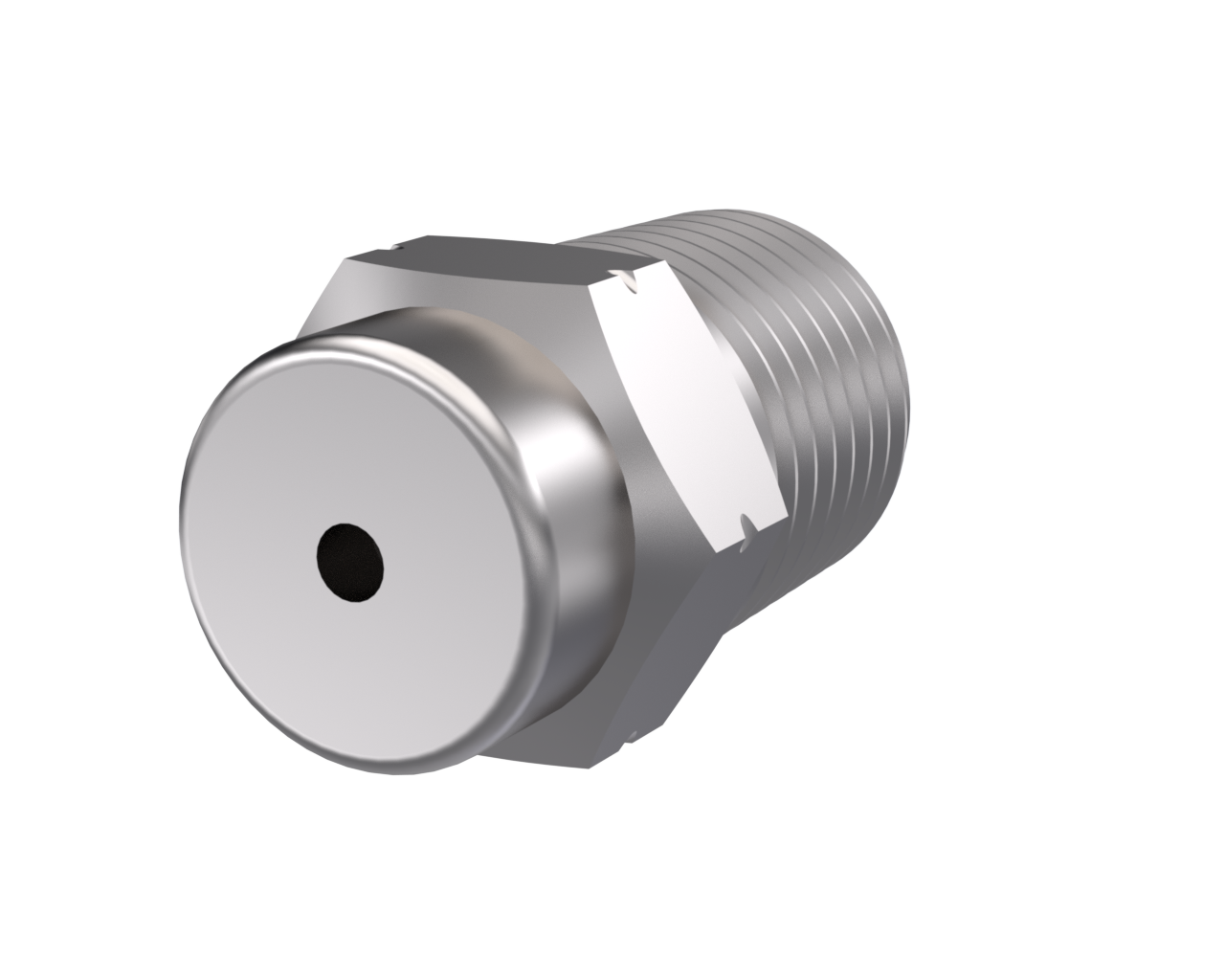
The BEX H Series hollow cone nozzles at very low flow rates provide the light, uniform surface cooling mist needed to reduce radiant heat absorption in fresh concrete and asphalt during placement and finishing, without adding enough water to affect the material mix design or surface finish. Their wide cone angle provides broad coverage from a small number of nozzle positions on a mobile misting stand or a temporary overhead header. The C Series hollow cone nozzles are an alternative option.
Wetting applications in construction serve a fundamentally different purpose from dust suppression and cooling: rather than managing airborne particles or temperature, wetting applications introduce a controlled quantity of water into a material or onto a surface to drive or protect a physical or chemical process. Concrete curing is the most critical of these applications — it directly determines whether the structure built will have the strength, durability, and impermeability its design requires.
Concrete gains its strength through a chemical reaction called hydration, in which water reacts with the cement compounds in the mix to form the crystalline binder that holds the aggregate together. This reaction requires a continuous supply of water and proceeds over days to weeks after placement. If the concrete surface dries out before hydration is complete, the rate of cement hydration drops dramatically — cement in equilibrium with air at 80% relative humidity hydrates at only 10% the rate of specimens in a 100% RH environment. Inadequate curing produces concrete with reduced compressive strength, increased permeability, greater susceptibility to surface scaling and cracking, and shorter service life.
The American Concrete Institute (ACI) recommends a minimum curing period sufficient to achieve 70% of the design compressive strength, which typically corresponds to seven days of continuous moist curing. Spraying and fogging are recognised by ACI as effective curing methods, particularly when ambient temperatures are above freezing and humidity is low. The key requirement is that the concrete surface must remain continuously damp throughout the curing period — alternate cycles of wetting and drying can cause surface cracking, which is worse than no curing at all. This demands either continuous spray application or the use of water-retaining covers kept saturated by periodic spray.
Horizontal flatwork — floor slabs, pavements, aprons, and footpaths — presents the largest surface area to the atmosphere and is the most vulnerable to evaporative moisture loss. In hot, dry, or windy conditions, the surface of fresh concrete can lose moisture faster than bleed water can rise from within the slab, leading to plastic shrinkage cracking within hours of placement. Fog mist applied over the slab surface immediately after screeding — before the concrete has set — raises the relative humidity of the air layer immediately above the surface, slowing evaporation and reducing the risk of plastic shrinkage cracking.
Why it matters: plastic shrinkage cracks can form within hours of placement, before the slab has even set — and they're permanent, so the window for preventing them is short.
The BEX C or H Series hollow cone nozzles at low operating pressures produce the fine fog mist needed to raise relative humidity above fresh concrete flatwork without washing the surface or displacing bleed water, which would weaken the surface zone of the slab. Nozzles mounted on stands 1.5–2 metres above the slab surface and spaced to provide overlapping coverage create a fog blanket over the work area that is moved progressively along the slab as placement advances. For larger slabs or in conditions where continuous coverage of a wide area is required, the JPL Series air atomizing nozzles produce the finest mist available from a liquid-only or air-assisted system, providing maximum relative humidity elevation with minimum water application rate.
Curing vertical concrete elements — walls, columns, piers, abutments, and bridge decks — is more challenging than curing flatwork because water applied to a vertical surface runs off rapidly. Continuous spray onto vertical elements requires either a fine mist that the surface tension of the concrete is sufficient to hold, or a spray schedule that keeps wet burlap or curing mats saturated against the form faces. For elements where forms are stripped early and the concrete surface is exposed, periodic spray application keeps the surface damp between form-stripping and the application of curing membrane.
Why it matters: water runs off vertical surfaces quickly, and letting the concrete cycle between wet and dry can crack it worse than not curing at all — coverage has to be even and kept up.
The BEX S Series full cone nozzles provide the broad, uniform spray coverage needed for periodic wetting of exposed vertical concrete surfaces from temporary spray headers. Their symmetrical full cone pattern ensures even wetting without dry strips. For precise, directed spray onto column faces or narrow wall sections where wetting must be controlled to avoid runoff onto adjacent work, the F Series flat fan nozzles in wide angles (65°–80°) direct water precisely at the target surface with minimal overspray.
Earthworks compaction — the densification of subgrade soils, fill layers, and granular bases — requires that the material being compacted is at, or close to, its optimum moisture content. Soil that is too dry cannot be compacted to the required density regardless of the compactive effort applied; soil that is too wet is unstable and will fail under load. When excavated or imported fill material arrives at the site drier than optimum, it must be pre-wetted before compaction. This is typically done using water trucks or spray bars that apply water uniformly to the material immediately before or during the compaction passes.
Why it matters: soil that's too dry won't reach compaction density no matter how many passes the roller makes, and soil that's too wet is unstable — getting the moisture right the first time saves re-work on every lift.
Wide-angle F Series flat fan nozzles (80°–110°) or S Series full cone nozzles on water truck spray bars or fixed headers provide the uniform water application needed for compaction moisture control. The spray must penetrate the full depth of the lift being compacted — typically 150–300 mm — which requires adequate application time and flow rate rather than a surface-only wetting. For precise water addition to material in a mixer or pug mill before compaction, the S Series full cone nozzles in calibrated orifice sizes allow accurate dosing of the water addition based on operating pressure and spray duration.
Construction site conditions are demanding for spray nozzle materials. Water supplies on construction sites are often far from pristine — they may be drawn from site sumps, storage tanks open to the elements, or recycled water containing fine mineral particles. Physical abuse from equipment, vibration, impact, and exposure to UV radiation, frost, and heat cycles further challenge nozzle durability. Material selection must balance corrosion resistance, mechanical robustness, and cost-effectiveness in what is often a high-replacement-rate environment.
| Material | Best for |
|---|---|
| 316 Stainless Steel | The recommended material for all permanent and semi-permanent spray installations on construction sites — curing systems, fixed dust suppression headers, cooling systems, and site entrance wash-down stations. Resistant to the corrosive water quality common on construction sites and to outdoor weathering. Essential for any nozzle adjacent to cement or concrete, which creates a highly alkaline environment that attacks brass rapidly. |
| Brass | Acceptable for temporary, short-duration installations using clean potable water where cost is the primary constraint. Not recommended for use adjacent to concrete or cement dust environments due to susceptibility to alkaline attack, and not recommended for permanent installations subject to outdoor weathering. |
| FL Series deflector design (any material) | The best choice for water truck spray bars and other applications where dirty site water containing mineral particles would clog a conventional precision-orifice nozzle. The open deflector design eliminates the small orifice that is the failure point of conventional nozzles in dirty water service, while still producing a flat fan spray pattern suitable for road and surface wetting. |
Spray nozzles on a construction site are not glamorous equipment, but they are genuinely important. The water spray that suppresses silica dust as a saw blade cuts through concrete is protecting workers from a disease that kills. The misting system in the break area shade tent is the engineering control that keeps an acclimatising worker’s core temperature from reaching a dangerous level. The fog nozzle trained on a fresh slab in the afternoon heat is preserving the strength and durability of a structure that will be in service for decades. In each case, the right nozzle — properly selected for the application, correctly installed, and maintained in service — makes the difference between a system that works and one that does not.
BEX Engineering manufactures a comprehensive range of spray nozzles suited to the demanding conditions of construction site operation. Whether you need flat fan nozzles for a water truck spray bar, hollow cone nozzles for a concrete curing fog system, or air atomizing nozzles for a worker cooling station — BEX has the products and the application expertise to help you select the right solution.
For assistance selecting the right nozzle for your construction application, contact BEX Engineering today.